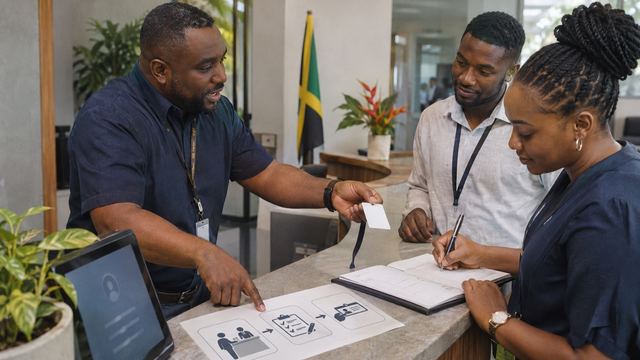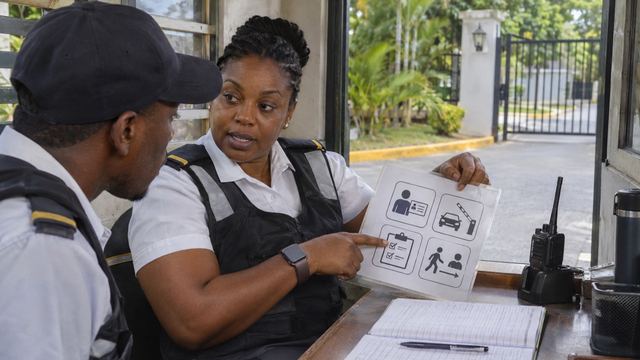
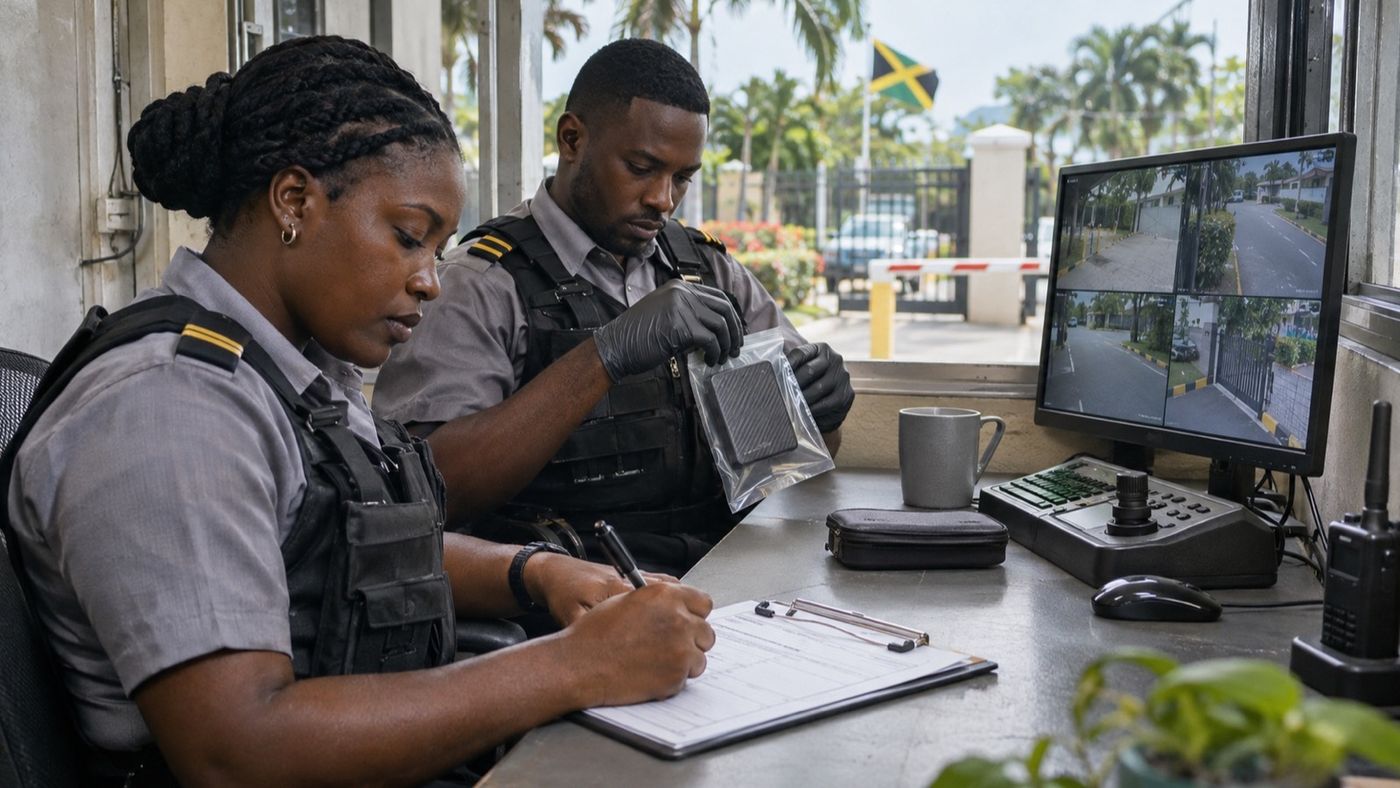
When something goes wrong — a break-in, a theft, an assault, a suspicious approach — attention naturally goes to dealing with it. Recording it often comes later, if at all. By then memories have faded, evidence has been disturbed and footage may have been overwritten.
A clear, simple reporting procedure protects people, supports insurance and police reports, and gives you the information to stop it happening again.
1. Make people safe
The first priority is always the safety of staff, visitors and the public. Reporting procedures should never delay calling emergency services or giving first aid.
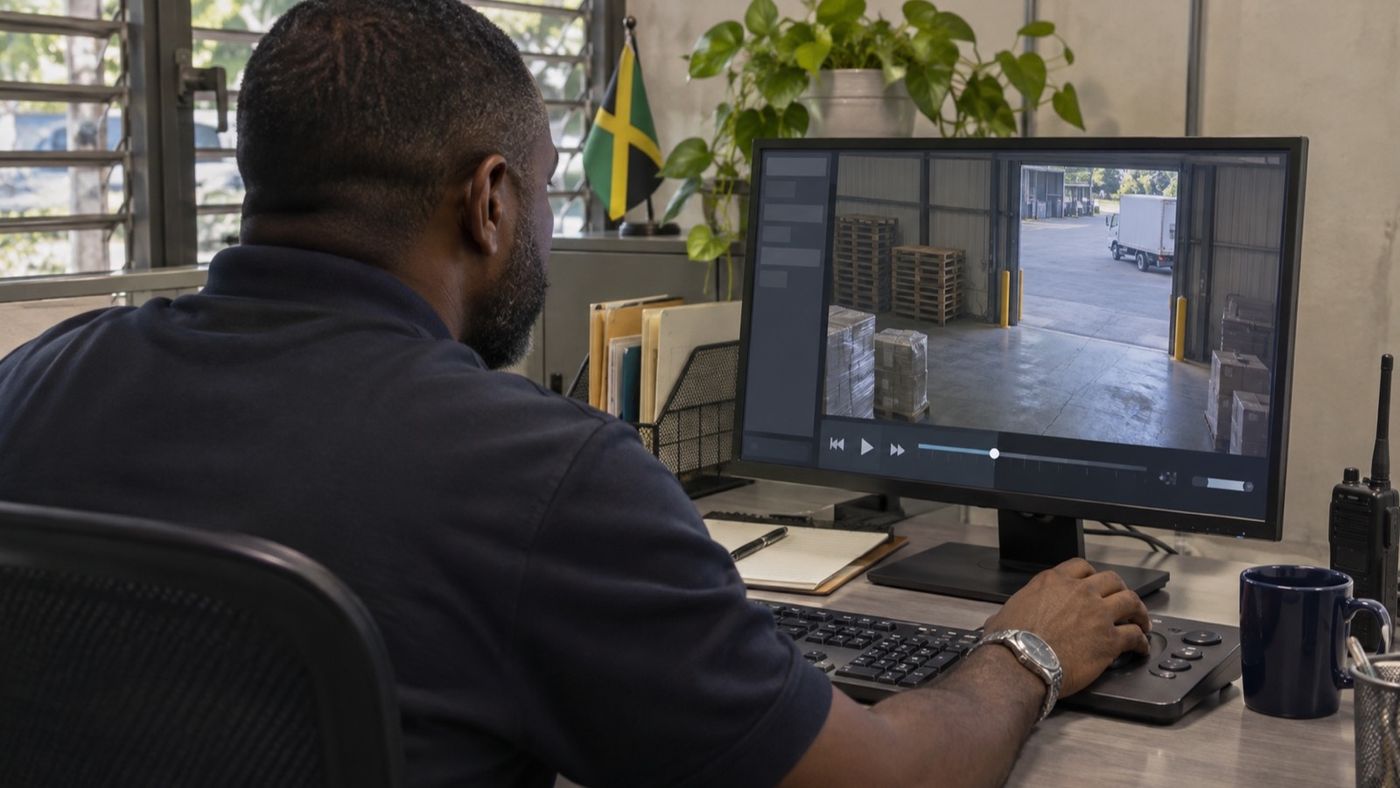
2. Preserve the scene and the evidence
Keep the area undisturbed where possible. Secure CCTV footage immediately, before it is overwritten. Keep access logs, alarm records and visitor books. Note who was present.
3. Record what happened
A written account should be made as soon as possible by the people involved or who witnessed it: what happened, when, where, who was involved and what action was taken. Facts, not opinions. Short notes made at the time are more valuable than a polished report written a week later.
4. Notify the right people
Every organisation should have a clear notification list: who must be told immediately, who within 24 hours, and who later. This usually includes the security owner, senior management, and where relevant the police, insurers and — if personal data is involved — the people responsible for data protection.
5. Review and learn
Once the immediate response is over, review what happened and why. Was a control missing, or did it fail? What will change? Track the actions to completion.
What this means in practice
- Use a one-page incident report form, available on every site.
- Make sure security officers know how to secure CCTV footage.
- Keep a current notification list, with names and numbers.
- Review every significant incident within two weeks.
- Record near misses as well as incidents.
Talk to us about incident reporting procedures. → Security plans & manuals