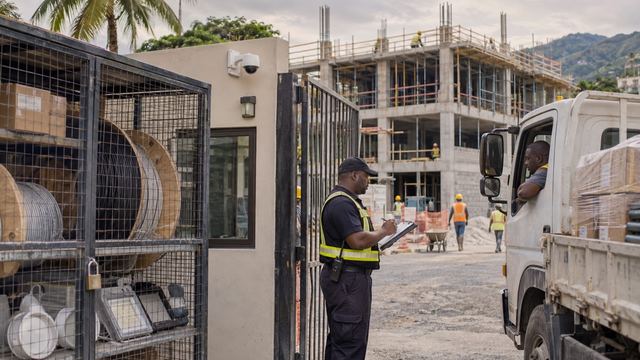
Installing cameras feels like decisive action. They are visible, measurable and relatively affordable. But in many site surveys we find systems that look impressive and do very little: cameras pointing at the wrong places, footage nobody watches, recordings that cannot identify anyone, and no plan for what happens when something is seen.
Ask what the camera is for
Every camera should have a defined purpose: to deter, to detect, to identify, or to record for later investigation. Each purpose needs different positioning, resolution and monitoring. A camera meant to identify people at an entrance is useless if it is mounted high and wide.
Someone has to respond
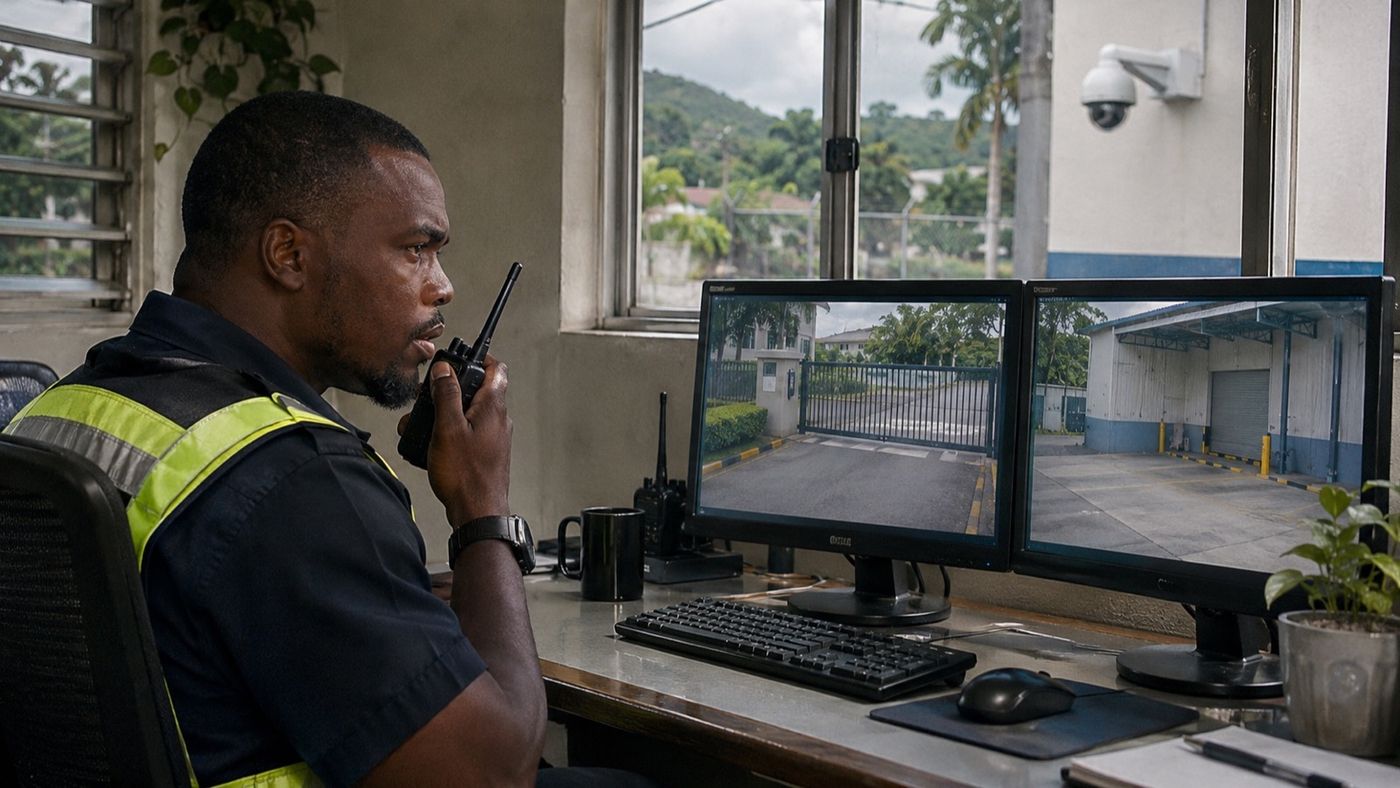
Live monitoring only helps if someone is watching and knows what to do. If footage is reviewed only after an incident, cameras can support an investigation but will not stop anything happening.
Footage is personal data
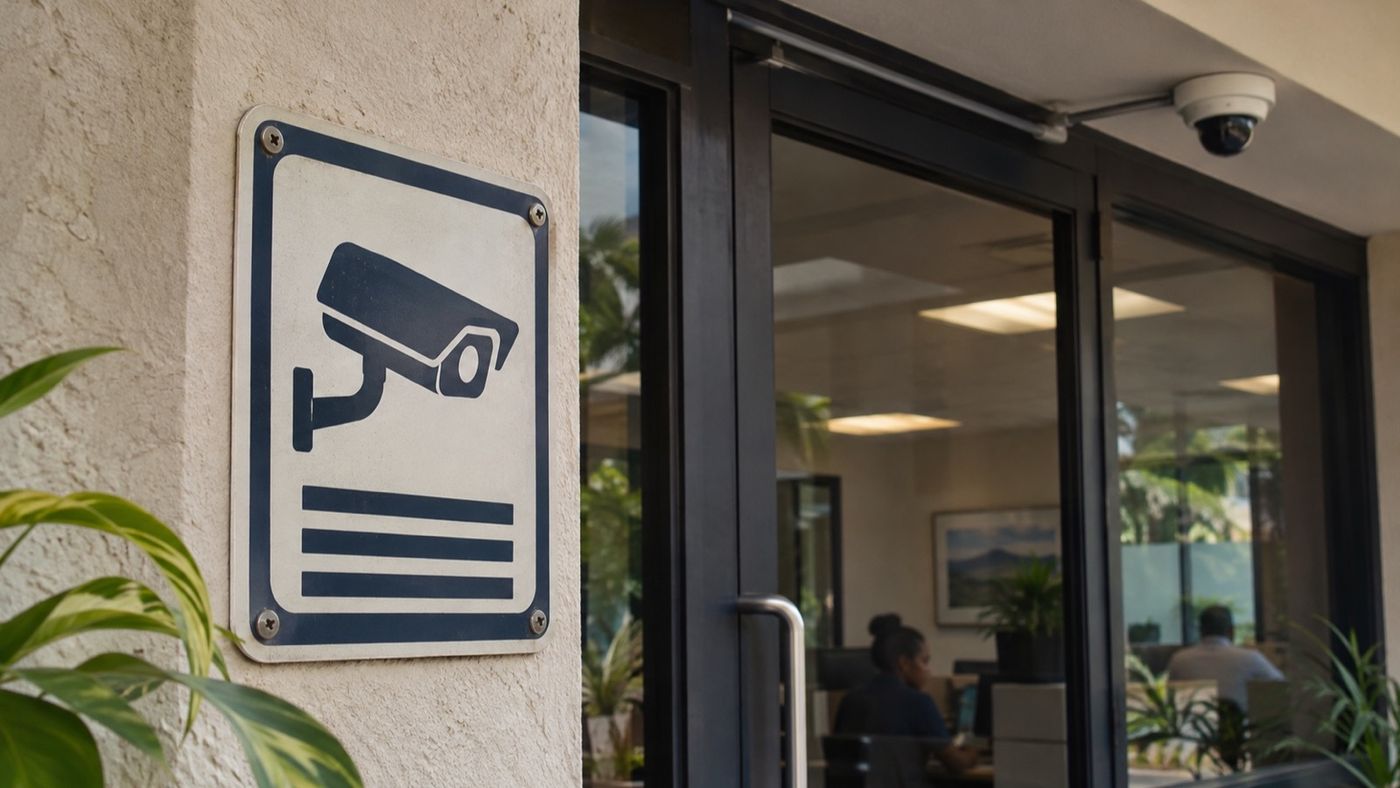
CCTV recordings identify individuals, so under the Data Protection Act 2020 they are personal data. Organisations need a clear purpose for recording, signs telling people that recording is in operation, controls on who can view and copy footage, and a set retention period.
Retention is where many organisations struggle. Some keep footage indefinitely, which is hard to justify. Others overwrite it within days, before an incident is even reported. Choose a period that matches your purpose, write it down and apply it.
Maintenance matters
Lenses get dirty, cameras get knocked out of position, storage fills up and systems fail silently. Regular checks are essential.
What this means in practice
- Define the purpose of each camera, and position it accordingly.
- Decide who monitors, when, and what they do when they see something.
- Display clear signs where recording takes place.
- Set and apply a retention period.
- Check every camera and recording at least monthly.
Talk to us about a CCTV and site security review. → Security assessments & surveys