
December brings higher stock levels, longer opening hours, more deliveries and more temporary staff. Every one of these increases the chance of loss, and the pace of the season makes problems harder to spot until the stock count in January.
Stockrooms
Stockrooms fill up and overflow into corridors, offices and temporary storage. Make sure every storage area can be locked, that access is limited to named staff, and that high-value items are kept separately and counted more often than usual.

Loading bays
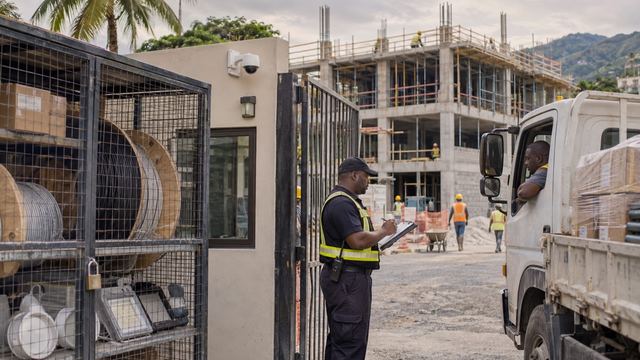
Busy loading bays are one of the most common points of loss. Doors left open between deliveries, unsupervised drivers, and goods signed for without being counted all create opportunities. Assign a supervisor to the bay at peak times, check deliveries against paperwork before signing, and keep doors closed when not in use.
Cash handling
More sales mean more cash on site. Set clear limits for how much cash can be held at tills and in the office, increase the frequency of collection or banking, and vary the times and routes used. Count cash out of public view.
Temporary staff
Seasonal workers are essential, but they often start with less screening, less training and less supervision. Carry out proportionate checks before they start, brief them on cash, stock and reporting procedures on day one, and pair them with experienced staff.
Opening and closing
Longer hours mean staff arriving early and leaving late, often in darkness. Make sure car parks and entrances are well lit, that opening and closing are done by at least two people, and that alarms are set and confirmed every night.
What this means in practice
- Walk each site before the peak and fix lighting, locks and alarms.
- Supervise loading bays at the busiest times.
- Lower cash limits and increase collection frequency.
- Screen and brief temporary staff before their first shift.
- Use two-person opening and closing procedures.
Talk to us about a pre-season site survey. → Security assessments & surveys